
Orthodontist in Newark, CA | Serving Fremont & Union City
Every orthodontist is a dentist, but only a small fraction of dentists are orthodontists. That single distinction is the most useful thing to understand before you choose who will straighten your teeth or your child’s, because it shapes the quality, predictability, and safety of the result. This page explains what an orthodontist actually is, how the training differs from a general dentist, when that difference matters most, and what to expect when you begin care at BirchTree Orthodontics in Newark.
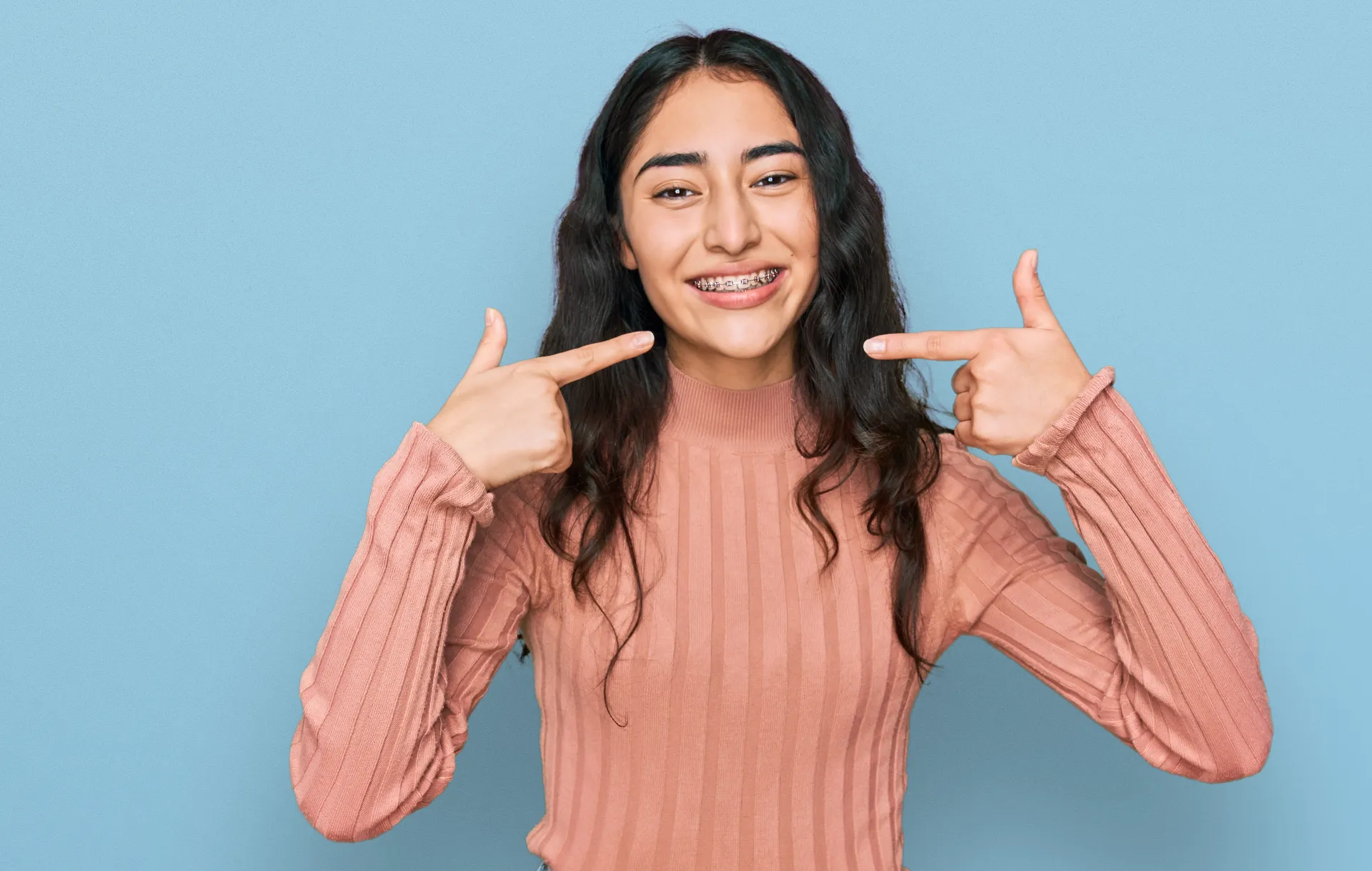

The Training Behind the Title
A general dentist completes dental school and is qualified to care for your overall oral health: cleanings, fillings, crowns, and more. An orthodontist starts in exactly the same place, then goes further, completing an additional two to three years of full time residency devoted to one thing, the movement of teeth and the alignment of jaws. During those years an orthodontic resident treats hundreds of cases under supervision and studies the biology of how teeth move through bone, how jaws grow, and how a bite should function. It is a genuine specialty, recognized by the American Dental Association, in the same way cardiology is a specialty within medicine.
Dr. Manu Sharma took that path with an added advantage: she practiced as a general dentist for years before completing her orthodontic residency. That dual background means she understands your whole mouth, not just the teeth being moved, which matters when treatment has to account for existing dental work, gum health, or restorations planned for the future. You can read her full story on the page introducing Dr. Sharma.
What Orthodontists Treat
- Crowded or spaced teeth
- Overbites, underbites, crossbones and open bites
- Jaw misalignment and TMJ-related issues
- Palatal Expanders for young patient
- MARPE for advance jaw correction
- Airway Related Issues
Orthodontics corrects far more than crooked teeth. The specialty exists to fix how the teeth and jaws fit and function together, which affects appearance, cleaning, chewing, speech, and long term dental health.
- Crowded or spaced teeth, which trap plaque and are harder to keep clean over a lifetime.
- Bite problems, overbites, underbites, crossbites, and open bites, where the upper and lower teeth do not meet correctly.
- Jaw alignment and growth concerns, especially in children whose jaws are still developing.
- Preparation for other dental work, since aligning teeth first helps crowns, bridges, and implants fit and last.
The tools for this are mainly braces and clear aligners such as Invisalign, chosen to fit the case, and for more complex jaw and airway situations, specialized appliances handled by a specialist.
When the Difference Matters Most
For a very mild cosmetic case, a general dentist offering aligners may achieve a reasonable result. The difference between a specialist and a general provider shows up most on the cases that are not simple, and on catching the problems that are not obvious. A specialist is trained to see when straightening the visible teeth would leave an underlying bite problem untreated, or when a child’s jaw growth opens a window that should be used now rather than missed. The honest risk of treating orthodontics as a cosmetic add on is a result that looks fine at first and resurfaces as a functional problem years later. For a fuller explanation of how a specialist differs from a general dentist, and the questions worth asking any provider, see our guide on choosing an orthodontist.
A simple question to ask. If you are comparing providers, ask directly: are you a general dentist or a board certified orthodontist, and how many cases like mine do you treat each year? The answer tells you a great deal. Board certification by the American Board of Orthodontics is a further voluntary step beyond specialty training, requiring the orthodontist to present treated cases to a panel of examiners, and Dr. Sharma holds it.
Orthodontic Care at Every Age
One of the reassuring things about orthodontics is that it is genuinely for everyone, not only teenagers in metal braces.
- Children benefit from a first check by around age 7, mostly to monitor growth, with treatment only where it truly helps. See children and braces.
- Teens are the classic age for treatment, when most permanent teeth are in and the jaw is still responsive. See braces for teens.
- Adults make up around a quarter of orthodontic patients, with discreet options that fit professional life. See adults and braces.
What to Expect When You Choose Us
Starting orthodontic care should feel clear and unpressured, and ours is designed that way. Your first appointment is a free consultation: we take digital X rays and a 3D scan, examine your teeth, bite, and jaw, explain every suitable option in plain language, and give you a written estimate with insurance and payment plans laid out. Nothing is placed that day, and there is no pressure to decide on the spot. Most people leave simply knowing exactly where they stand. You can see the whole appointment in advance on our first visit page, and when you are ready, becoming a new patient is straightforward.
Technology That Makes Treatment Easier
Modern orthodontics is far more comfortable and precise than most people remember. We use digital 3D scanning instead of the old putty impressions, so there is nothing unpleasant to bite into, and the scan builds an exact model of your mouth in minutes. Low dose digital X rays show the roots and jaw structure that guide safe tooth movement. Treatment planning software lets Dr. Sharma map the full path of your teeth before anything begins, and in many aligner cases preview the expected result. None of this technology replaces clinical judgment, it sharpens it, giving a specialist better information to plan a case well. For you, it means fewer surprises, clearer explanations, and a plan built on precise measurements rather than guesswork.
A Practice Built on Trust
Choosing an orthodontist is choosing a relationship that lasts a year or more, sometimes across a whole family and several children. What patients tell us they value most is honesty: being told plainly when treatment is needed and when it is not, when a simpler option would work just as well as an expensive one, and exactly what everything will cost before it begins. That is the standard Dr. Sharma holds, and it is the reason many families who trusted this office under Dr. Wong for decades have stayed. Good orthodontics is not about selling treatment, it is about recommending the right treatment, or none, and doing it well.
We are located at Newpark Mall in Newark, with free parking and easy access from I 880, serving families across the Tri City area including nearby Fremont, Union City, and Hayward. The practice continues the decades long legacy of Dr. Andrew C. Wong under Dr. Sharma’s care, so many families who trusted this office for years continue to.
Book Your Free Consultation
Meet a board certified orthodontist, get a written estimate the same day, and no pressure to start. No referral needed.
Frequently Asked Questions
What is the difference between an orthodontist and a dentist?
Every orthodontist is first a dentist, then completes two to three additional years of residency focused only on moving teeth and aligning jaws. A general dentist cares for overall oral health, while an orthodontist specializes in braces, aligners, and bite correction.
Do I need a referral to see an orthodontist?
No. You can book directly with us. Many patients come without a referral, and the first consultation is free.
Is it worth seeing a specialist for clear aligners rather than my dentist?
For almost everyone, yes, and here is how to tell. Ask yourself five things: do your upper and lower teeth not meet evenly, does any crowding or spacing reach beyond your front teeth, have you had braces or aligners before and seen teeth drift back, are you an adult or do you have any jaw clicking or frequent headaches, and do you want a result that stays healthy and stable for life rather than just looking straight for a year. At least one of these applies to nearly everyone. If even one applies to you, your case is not simply cosmetic and should be evaluated by a specialist orthodontist. Straightening only the visible teeth while leaving a bite problem untreated can lead to uneven wear, gum recession, cracked teeth, and jaw strain that cost far more to correct later.
What does an orthodontist treat besides crooked teeth?
Bite problems like overbites and crossbites, jaw alignment and growth concerns in children, and preparing the mouth for other dental work such as crowns, bridges, and implants.
What happens at the first visit?
A free consultation with digital X rays and a 3D scan, an exam of your teeth, bite, and jaw, a plain language explanation of your options, and a written estimate. Nothing is placed that day and there is no pressure to decide.
=========================================================================
SCHEMA FOR: /introduction/ built against P_Introduction.html
Yoast aware. MedicalWebPage + FAQPage. Paste ONE HTML widget below main content. Save Draft.
VERIFY: datePublished placeholder; set true original date or delete the line.
=========================================================================
Keep Reading
Explore our full range of orthodontic services, or see us as your local orthodontist in Newark serving the wider Tri City area.
Source: American Association of Orthodontists and American Dental Association, on orthodontic specialty training and what orthodontists treat (aaoinfo.org). This page is general information and not a substitute for an in person evaluation.
Our Promise to You
At BirchTree Orthodontics, we combine state-of-the-art technology with a warm, welcoming environment. Our entire team is dedicated to making your orthodontic experience comfortable, efficient, and even enjoyable.