
Transform Your Smile with BirchTree Orthodontics: Braces in Newark CA and Fremont
Braces remain the most versatile and reliable way to straighten teeth and correct a bite, capable of treating cases that no other option can. At BirchTree Orthodontics they are placed and adjusted by a board certified orthodontist, not a general dentist offering them on the side, which matters most on the complex cases braces are uniquely suited to. This page explains how braces actually work, the types available, what treatment costs and how long it takes, and how to care for them, with links to go deeper on whichever part matters to you.
With over 35 years of serving the Bay Area community, BirchTree Orthodontics combines cutting-edge technology with personalized care. We understand that orthodontic journeys can feel overwhelming, which is why we offer free consultations to map out your path to straighter teeth. Don’t settle for subpar options—discover why hundreds of local patients choose us for braces near Newark, CA. Ready to get started? Book your free consultation today.
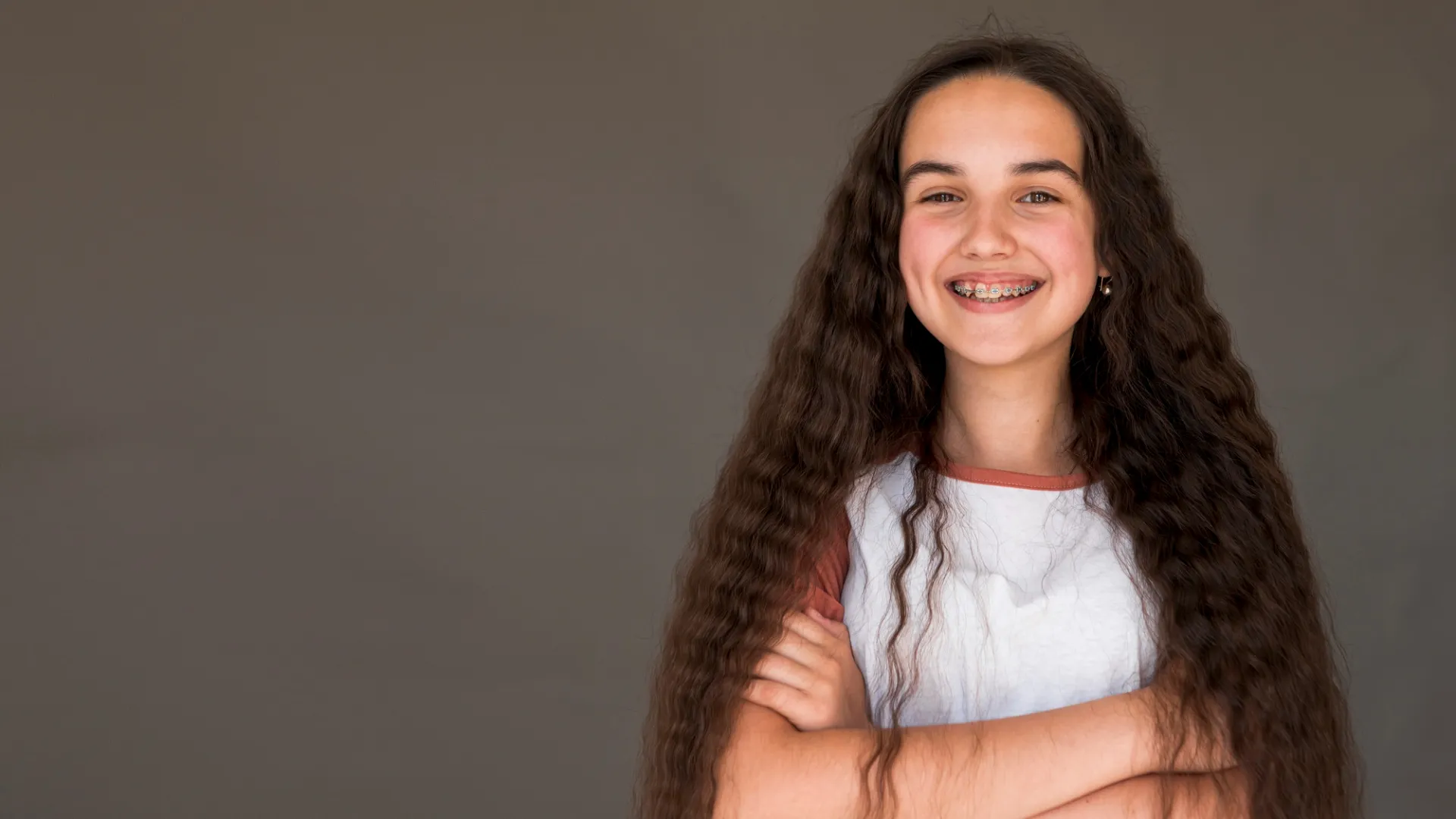
How Braces Work
The science is elegantly simple. Small brackets are bonded to each tooth and connected by a thin archwire. That wire applies gentle, continuous pressure, and here is the part people find surprising: the pressure does not just tip the crown of the tooth, it slowly moves the entire tooth, root and all, through the bone. Bone is living tissue that remodels in response to steady force, dissolving slightly ahead of the moving tooth and rebuilding behind it. That is why orthodontic movement has to be gradual, typically over 12 to 24 months, and why forcing it faster is neither possible nor safe. The teeth are being walked through bone, and the bone needs time to keep up.
Braces work continuously, day and night, whether you are asleep, eating, or getting on with your day. That constant gentle pressure is exactly why they are so effective and so predictable across the widest range of cases.
What treatment looks like, step by step
- Diagnosis and planning. A free first visit with digital X rays and a 3D scan, and a written plan and estimate. See what to expect at your first visit.
- Placing the braces. At a separate appointment, brackets are bonded and the first wire is fitted. It does not hurt, though teeth feel tender for a few days afterward.
- Adjustments. Short visits roughly every 6 to 10 weeks to change or tighten wires and track progress, sometimes adding elastics to correct the bite.
- Retention. When the braces come off, retainers hold the result, because teeth drift for life without them. This step is not optional.
Types of Braces We Offer
| Type | What it is | Best for |
|---|---|---|
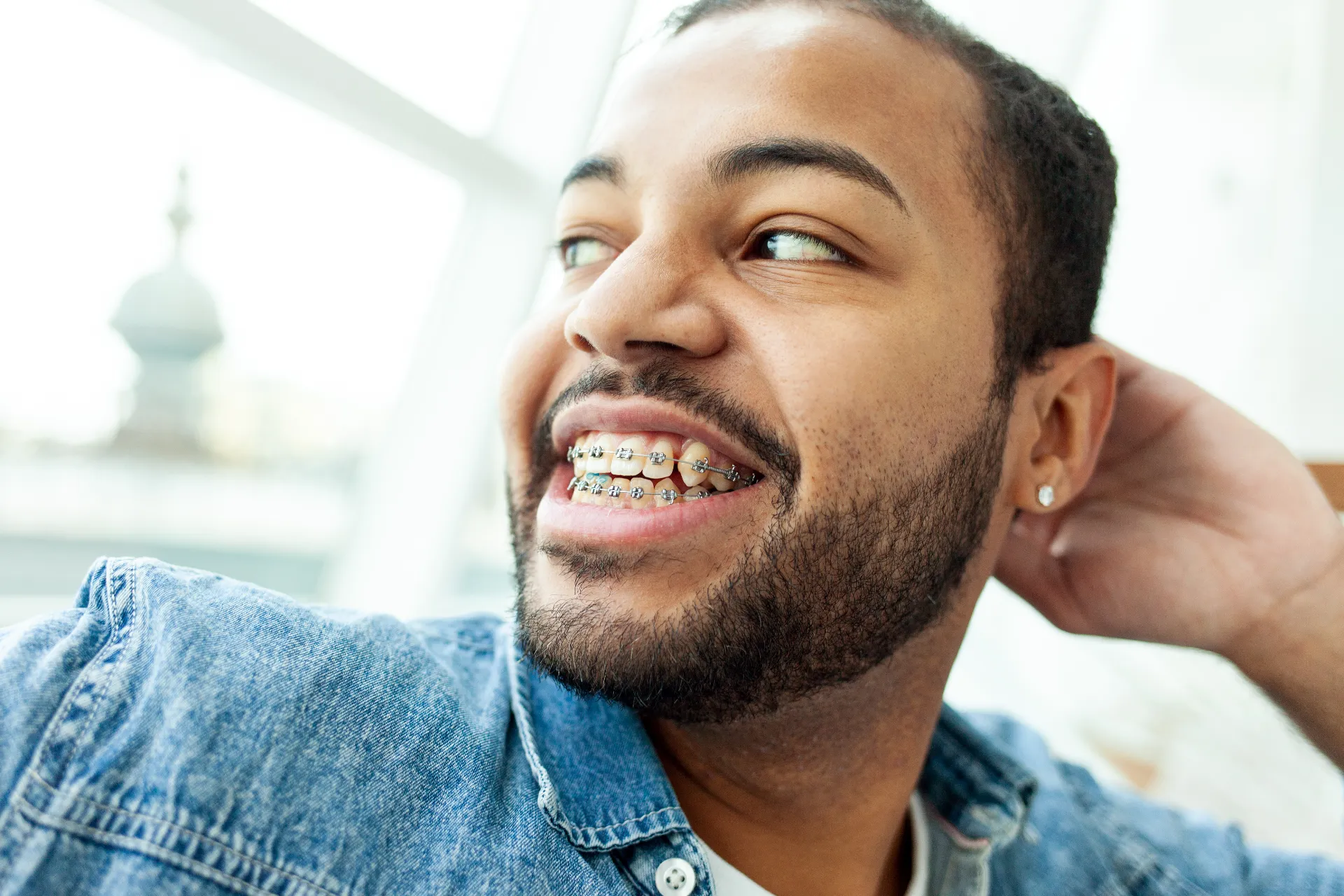
| Traditional metal braces | High grade stainless steel brackets and wires, smaller and smoother than older designs. Optional colored elastics. | Every case, including the most complex, and often the most economical option. Popular with kids and teens. |
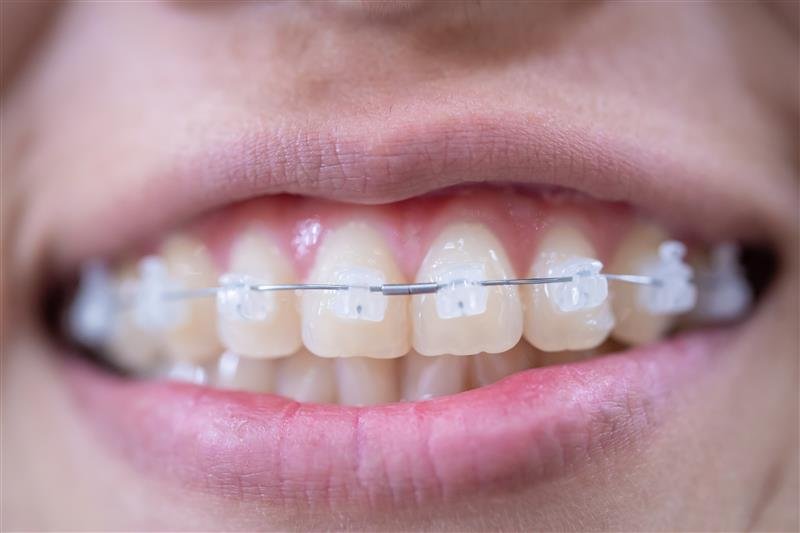
| Clear ceramic braces | Tooth colored ceramic brackets that blend with your enamel, working the same way as metal. | Teens and adults who want a fixed appliance that is far less visible, and whose case suits ceramic. |
| Lingual braces (by request) | Brackets placed on the tongue side of the teeth, so they are hidden from the front. A specialized option we provide in select cases. | Patients who specifically want fully hidden braces and whose case is suitable, and who accept the trade offs below. |
Traditional Metal Braces: Durable, Effective, and Fun
The cornerstone of orthodontics, metal braces in Newark, CA, are tougher than ever. Made from high-grade stainless steel, these brackets are smaller, smoother, and less noticeable than older designs. Customize yours with vibrant elastics in team colors—perfect for spirited Fremont teens!
- Cost-Effective: Starting at our most affordable rates, ideal for comprehensive corrections.
- Proven Results: Handles the toughest cases, like severe crowding or jaw misalignments.
- Quick Setup: Treatment often wraps up in 18-24 months with our efficient protocols.
Parents love how reliable they are; adults appreciate the no-fuss durability. If you’re ready for affordable metal braces near Newark, Fremont, Union City CA our team can get you fitted in no time.
Clear Ceramic Braces: Discreet Alignment for the Modern Smile
Our clear braces use tooth-colored ceramic brackets that blend seamlessly with your enamel. Expect similar timelines to metal, with added perks like stain-resistant materials for easy maintenance.
- Aesthetic Appeal: Nearly invisible from a conversation’s distance, great for photos and first impressions.
- Strong Performance: Equal to metal in force but gentler on wires for fewer adjustments.
- Teen and Adult Favorite: Popular among Fremont high schoolers and Union City executives alike.
The Life-Changing Benefits of Braces at BirchTree Orthodontics
Investing in braces isn’t about aesthetics, it’s about unlocking overall better oral health. Our patients experience:
- Superior Oral Hygiene: Straight teeth mean fewer hiding spots for plaque, slashing risks of cavities, gum disease, and enamel wear.
- Optimized Bite and Function: Even out overbites or underbites to chew comfortably, speak clearly, and avoid TMJ pain.
- Radiant Confidence: A symmetrical smile enhances facial harmony, lighting up job interviews, dates, and family gatherings.
- Long-Term Savings: Prevent costly future dental work by addressing issues early—our retainers ensure your investment lasts.
Lingual Braces
A word on lingual braces, since patients occasionally ask for them by name. Because the brackets sit behind the teeth, they are invisible from the front, which is their appeal. They are a specialized option, and we offer them in select cases when a patient specifically requests fully hidden treatment. They also come with genuine trade offs worth understanding: they cost more, the tongue needs a couple of weeks to adjust, speech can be affected at first, and they are not suitable for every case. If a hidden option matters to you, raise it at your consultation and Dr. Sharma will tell you honestly whether lingual braces, or a nearly invisible alternative like ceramic braces or aligners, is the better fit for your case.
Not sure whether braces or clear aligners are right for you? Aligners suit many mild to moderate cases, while braces handle the full range including complex bites. Our Invisalignpage, the honest comparison of the two, and our guide to living with aligners day to daycan help you weigh it, and Dr. Sharma will give you a straight recommendation at your visit.
Braces at Every Age
Orthodontic needs change across a lifetime, and braces adapt to each stage.
- Children. A first check by around age 7, mostly to monitor growth, with early treatment only where it genuinely helps. See children and braces.
- Teens. The most common age for braces, when most permanent teeth are in and the jaw is still responsive. See braces for teens, or the clear alternative in Invisalign Teen.
- Adults. Around a quarter of orthodontic patients are adults, and it is genuinely never too late. See adults and braces.
The Benefits Go Beyond a Straight Smile
A better looking smile is the visible result, but the health reasons are just as real:
- Easier cleaning, fewer problems. Straight teeth have fewer tight overlaps for plaque to hide in, which lowers the long term risk of decay and gum disease.
- A bite that works. Correcting an overbite, underbite, or crossbite spreads chewing force evenly, which protects teeth from uneven wear and can ease jaw strain.
- Clearer speech and comfortable chewing, when teeth and jaws meet as they should.
- Confidence, which is not a small thing, especially for a self conscious teenager.
The American Association of Orthodontists notes that straight teeth and a correct bite are easier to keep healthy over a lifetime, which is the practical case for treatment beyond appearance.
Living With Braces
The daily reality is more manageable than most people expect, and getting the habits right protects your result. Two things matter most, and each has its own guide:
- Eating. A short list of foods to avoid protects your brackets and wires from damage. See eating with braces.
- Cleaning. Braces create new places for food and plaque to hide, so brushing and flossing technique matters more during treatment. See brushing and flossing with braces.
Mild soreness for a few days after placement and adjustments is normal and eases with soft foods and over the counter pain relief. If a bracket comes loose or a wire pokes, it is rarely urgent, and we will get you comfortable quickly.
Why it matters who places your braces. Any licensed dentist can bond a bracket, but an orthodontist trains two to three years beyond dental school specifically in moving teeth and correcting bites, which is exactly where braces do their most complex work. We explain the difference, and what to ask any provider, on our choosing an orthodontistpage.
Book Your Free Braces Consultation
A board certified orthodontist, a written estimate the same day, and an honest recommendation. No referral needed, no pressure to start.
Frequently Asked Questions About Braces
How much do braces cost?
Most cases fall between about 4,000 and 7,000 dollars, depending on complexity and length of treatment. We accept most insurance, offer 0 percent in house financing with manageable monthly payments, and your free consultation includes a detailed written quote with no pressure and no upsell. See our insurance and financing pages.
Are Braces Painful?
Placing braces does not hurt. Teeth feel mildly sore for a few days after they go on and after adjustments, which eases with soft foods and over the counter pain relief. Most people find it far less disruptive than they expected.
How Long Does Braces Treatment Take?
It depends on the case, typically 12 to 18 months for milder cases and up to 24 months for more complex ones. Wearing elastics as directed and keeping appointments helps treatment finish on time.
Can Adults Get Braces?
Yes. About a quarter of orthodontic patients are adults, and both metal and discreet ceramic options work well. Healthy teeth move at any age.
Metal or ceramic braces, which should I choose?
Metal braces are the most economical and handle every case including the most complex. Ceramic braces are far less visible and suit teens and adults who want subtlety. We recommend the right fit for your case rather than defaulting to one.
Do you offer lingual braces that go behind the teeth?
Yes, in select cases and by request. Lingual braces sit on the tongue side of the teeth so they are hidden from the front. They cost more, take some adjustment for the tongue and speech at first, and are not suitable for every case, so we will tell you honestly at your consultation whether they or a nearly invisible alternative is the better fit.
Keep reading
Meet Dr. Sharma, the board certified specialist behind your treatment, or see us as your local orthodontist in Newark serving the wider Tri City area.
Source: American Association of Orthodontists, on how orthodontic treatment works and its health benefits, and on orthodontic specialty training (aaoinfo.org). Cost and timeline ranges are general and not a quote; your written estimate is prepared after an in person examination.