
Straightening Crooked Teeth: A Guide to Healthier Smiles
Crooked teeth, also known as misaligned teeth or malocclusion, are a common issue affecting millions of people worldwide. While many think of it as mainly a cosmetic concern, straightening crooked teeth offers significant benefits for oral health, function, and overall well-being. According to the American Association of Orthodontists (AAO), properly aligned teeth are easier to clean, reduce the risk of gum disease and tooth decay, improve chewing and speech, and can even prevent jaw pain or uneven tooth wear.
If you’re dealing with crooked teeth, modern orthodontic treatments make it easier than ever to achieve a straighter smile at any age.

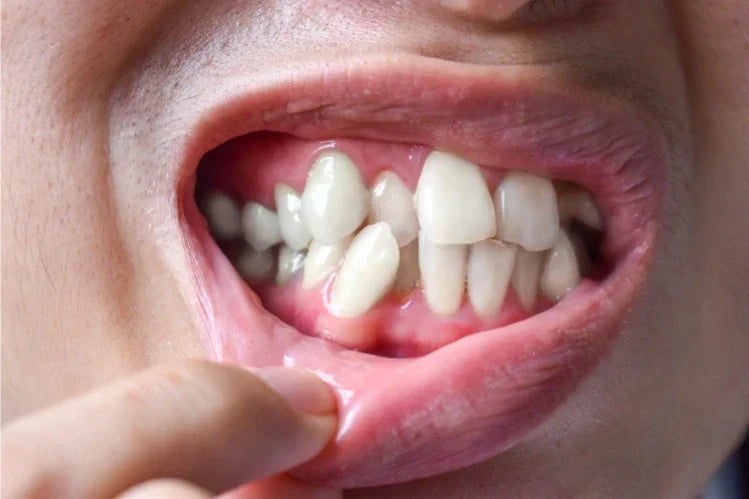
What Causes Crooked Teeth?
Crooked teeth can develop for a variety of reasons, often starting in childhood but sometimes appearing or worsening in adulthood. Common causes include:
- Genetics: Inherited traits like jaw size, tooth size, or bite patterns play a big role. If family members have crowded or misaligned teeth, you’re more likely to as well.
- Childhood habits: Prolonged thumb-sucking, pacifier use, or tongue thrusting can push teeth out of alignment.
- Early loss of baby teeth or trauma: Losing primary teeth too soon or injury to the mouth can shift permanent teeth.
- Jaw discrepancies: A small upper or lower jaw can lead to crowding or overlapping teeth.
- Other factors: Mouth breathing, tumors, or even aging (as teeth naturally shift over time) can contribute.
The AAO notes that overcrowding, when there’s not enough space in the jaw for all teeth—is one of the most frequent issues leading to crooked smiles.
Why Straighten Crooked Teeth? The Health Benefits
Beyond a confident smile, aligning teeth has proven health advantages, backed by research and AAO guidelines:
- Easier Cleaning and Better Oral Hygiene: Straight teeth have fewer hiding spots for plaque and food, reducing the risk of cavities, gum disease, and bad breath.
- Reduced Tooth Wear and Damage: Misaligned bites cause uneven pressure, leading to chipping, cracking, or excessive enamel wear.
- Improved Chewing and Digestion: A proper bite makes eating more efficient, aiding digestion and preventing stomach issues.
- Less Jaw Pain and TMJ Issues: Crooked teeth can strain the jaw joint, causing headaches, neck pain, or temporomandibular joint (TMJ) disorders.
- Better Speech: Alignment problems can affect clarity; straightening often improves pronunciation.
- Long-Term Health Links: Studies suggest poor oral health from misaligned teeth may connect to broader issues like heart disease or diabetes due to chronic inflammation.
The AAO emphasizes that straightening teeth isn’t just cosmetic—it’s preventive care for lifelong oral health.
Treatment Options for Aligning Crooked Teeth
Today’s options are more comfortable and discreet than ever. The best choice depends on the severity of misalignment, age, and lifestyle.
Traditional Braces
- Metal brackets and wires apply steady pressure to move teeth.
- Highly effective for complex cases, including severe crowding or bite issues.
- Often faster than alternatives for tough alignments.
- Studies show braces excel at precise control, like torque and rotation.
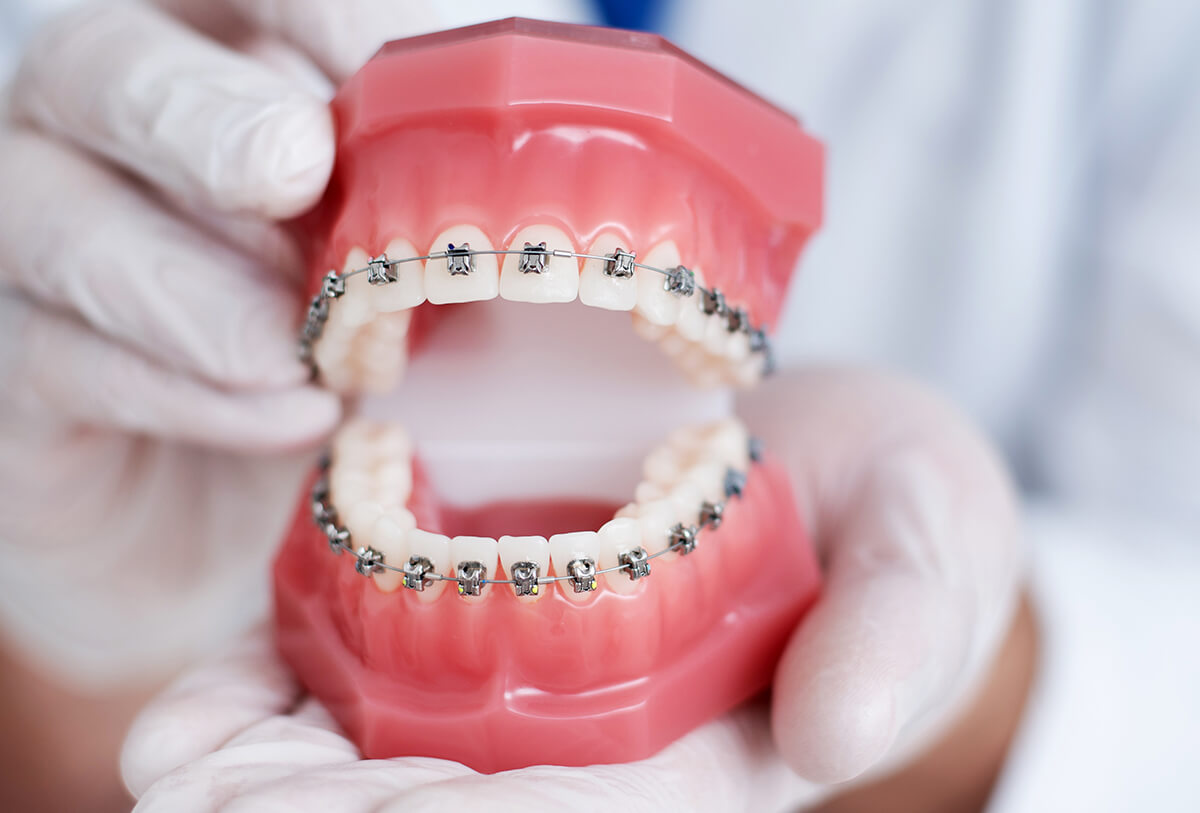
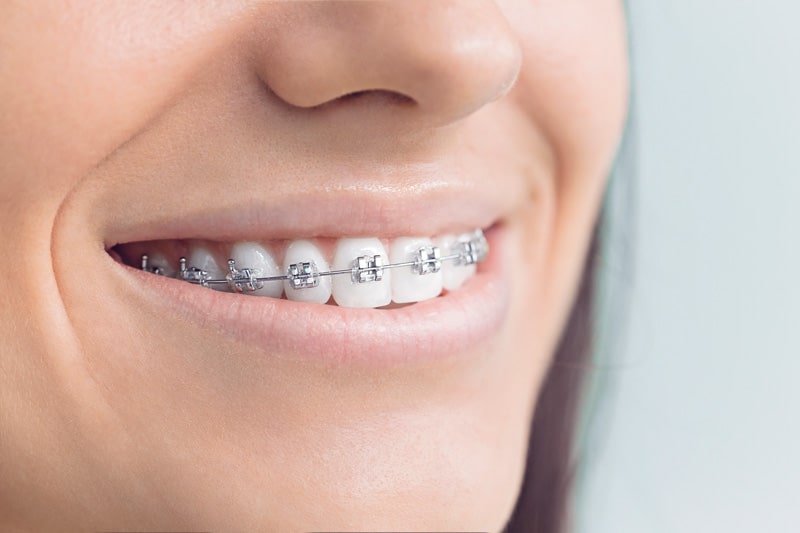
Traditional metal braces in action.
Clear Aligners (like Invisalign)
- Removable, nearly invisible plastic trays customized to gradually shift teeth.
- Great for mild to moderate crookedness; removable for eating and cleaning.
- Research indicates aligners can be as effective as braces for many cases, with advantages in comfort and shorter treatment time for simpler issues.
- Require discipline, wear 20-22 hours daily for best results.
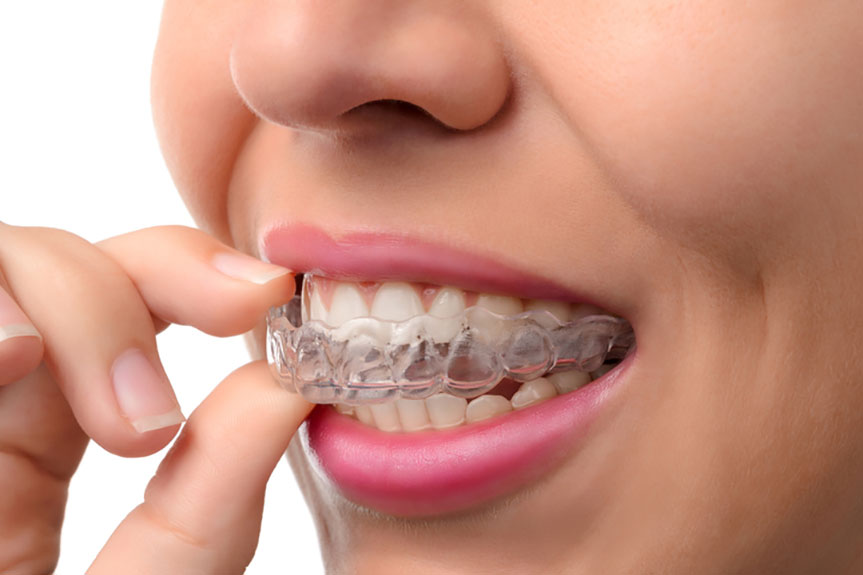

Clear aligners offer a discreet option.
Other options include ceramic braces (less visible) or lingual braces (behind teeth). For severe jaw issues, surgery may be needed alongside orthodontics.
Treatment typically lasts 1-3 years, followed by retainers to maintain results.
Early Treatment for Children
The AAO strongly recommends a first orthodontic evaluation by age 7. At this stage, a specialist can spot emerging issues and intervene early if needed—guiding jaw growth, creating space for permanent teeth, or correcting habits.
Early (Phase 1) treatment doesn’t always mean full braces; it might involve simple appliances and can reduce the need for extensive work later.
Choosing the Right Orthodontist
Selecting an experienced orthodontist is key to successful results. Look for board-certified specialists with advanced training. Practices like Birch Tree Orthodontics prioritize personalized care, using the latest techniques for comfortable, efficient treatment tailored to your needs.
If crooked teeth are affecting your confidence or health, consult a specialist today. At BirchTree Orthodontics we offer consultations to explore options suited to you.
A straighter smile is an investment in your health—start your journey with expert guidance!